May 20, 2026
In this article, we will explore the importance of regular pet nail care and how it can prevent paw problems. Proper grooming is essential for your pet's well-being, and neglecting this aspect can lead to various health issues. Let's delve into the vital aspects of maintaining your pet's nails and paws in optimal condition.
1. Why is regular pet nail care important?
1.1 Health implications of neglecting nail care
Neglecting nail care in pets can lead to significant health issues. Overgrown nails can curl into the paw pad, causing pain and potential infections. This not only creates a hygiene issue but can also lead to secondary issues such as joint discomfort as the pet adjusts its gait to avoid pain. Regular clipping helps prevent these complications and contributes to the overall health and happiness of your pet.
Moreover, untrimmed nails can split or break, which might be painful and increase the risk of fungal or bacterial infections. This condition can escalate into more severe health problems, making it vital to maintain a consistent nail-trimming schedule. A pet's neglect in nail care might not show immediate danger, but over time it can spell trouble that requires veterinary attention. By ensuring nails are routinely clipped, many health complications can be avoided.
Besides health, there's a considerable comfort aspect for the pet. Pets rely heavily on their mobility, and well-trimmed nails allow them to walk or run freely without discomfort. According to the American Humane Society, most pets should have their nails trimmed every 2 to 3 weeks to maintain comfort and prevent splitting or injuries. Regular nail care should thus be an essential component of your pet's overall care routine.
1.2 Relationship between nail care and dog grooming services
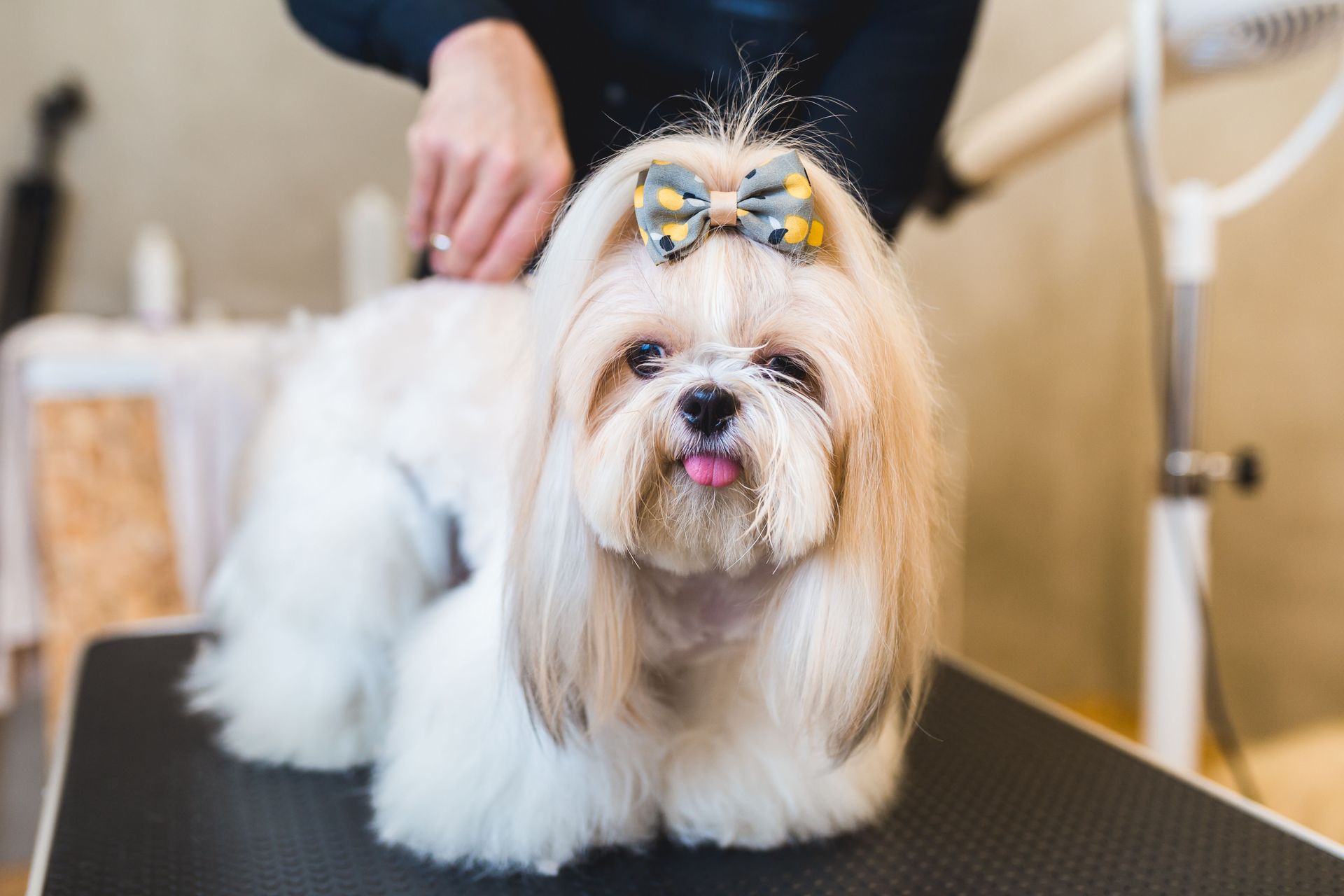
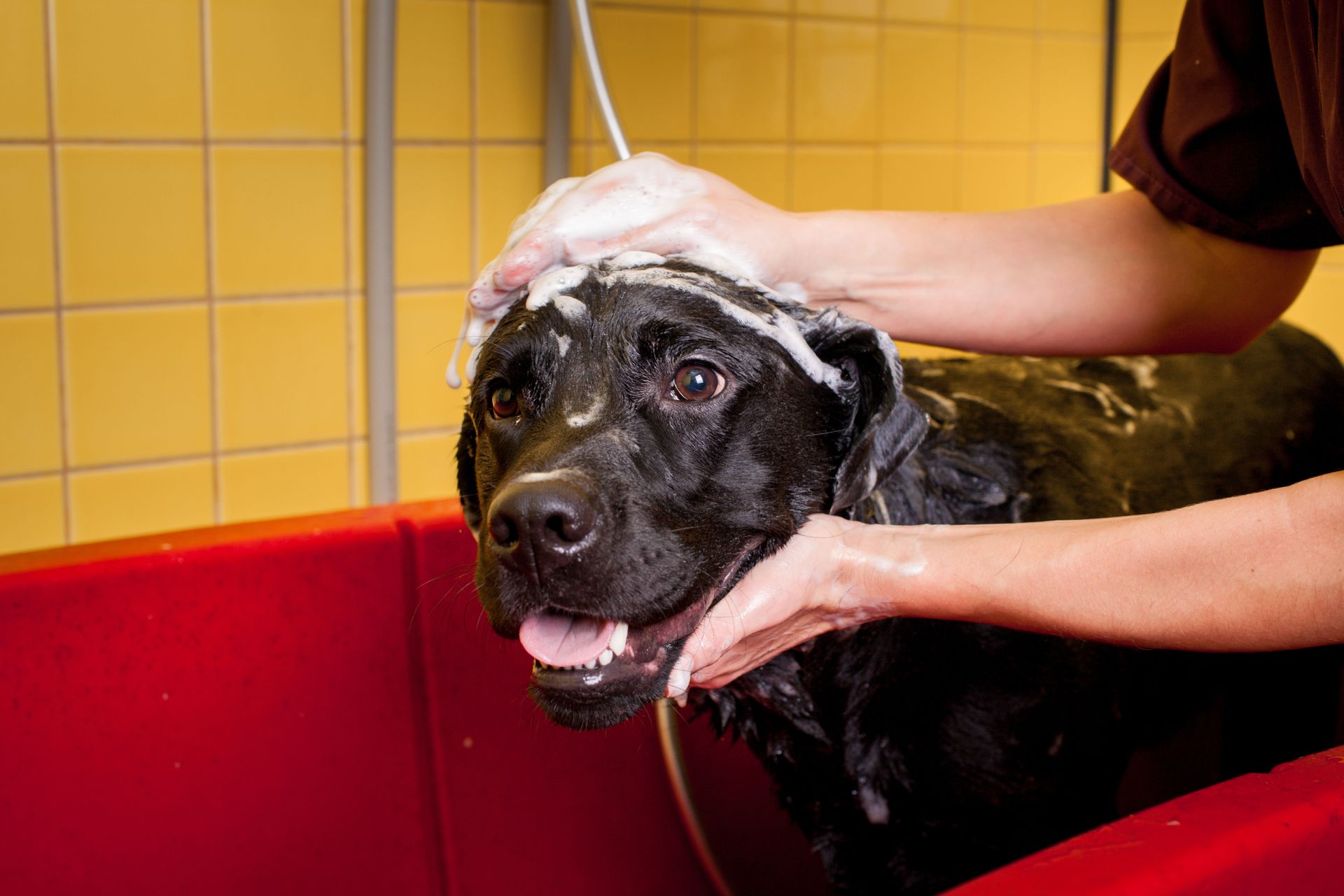
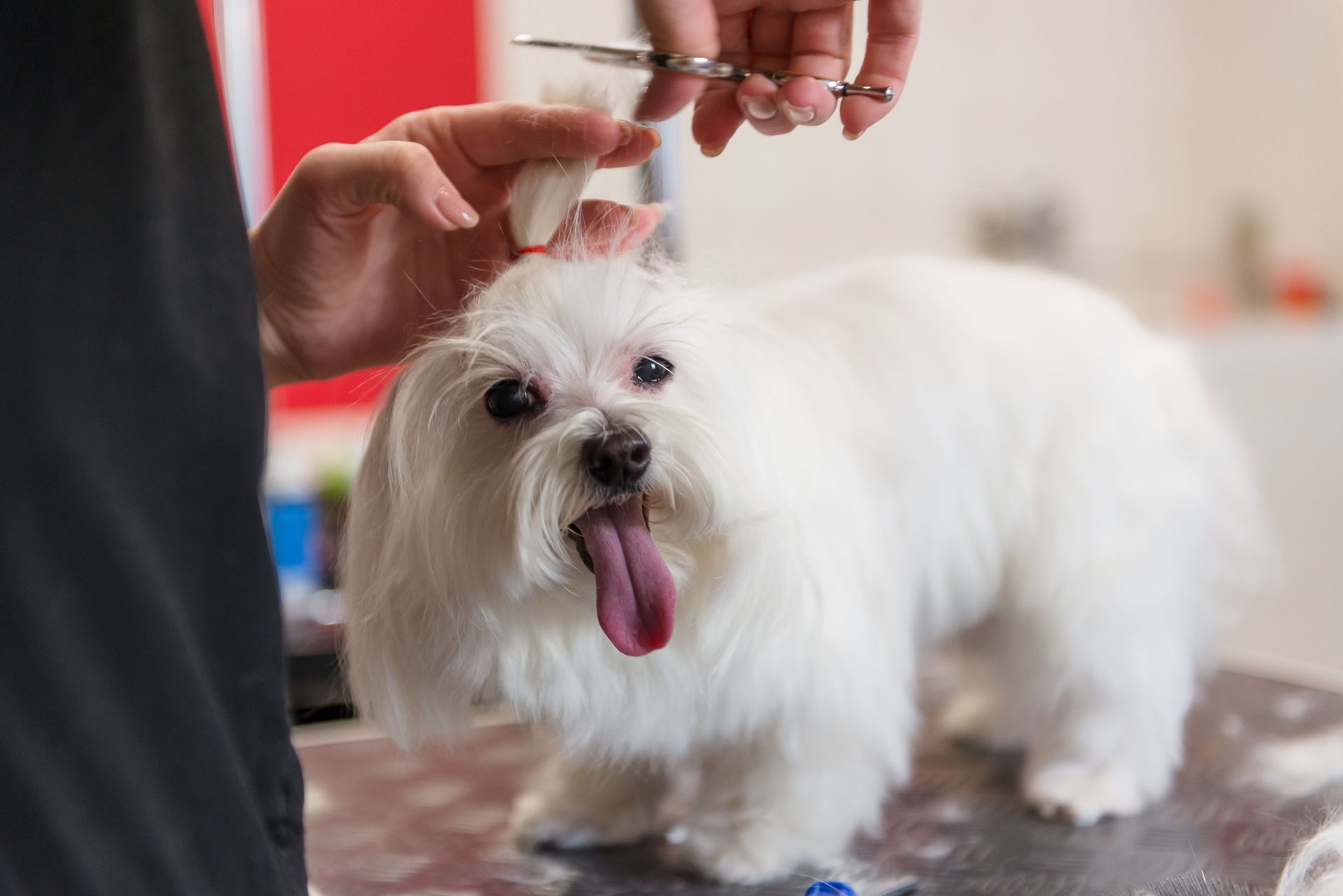
Dog grooming services offer comprehensive solutions that extend beyond just cutting nails. These services are typically equipped with the right tools and trained professionals who understand the nuances of grooming different breeds. They assess the proper condition of the pet's paws and ensure no underlying problems are masked. Regular use of such services helps in maintaining a strict routine which is beneficial for the pet's health.
Additionally, professional groomers can spot potential issues with nails and paws that might be missed by the average pet owner. This early detection is critical in preventing any emerging health issues from worsening. Groomers often have a nuanced understanding of the specific grooming needs, which can include more than just nail care, ensuring your pet's overall grooming standard is maintained. For many pet owners, this aspect is invaluable in the long-term health of their pets.
Besides the health benefits, grooming services can be a time saver for pet owners. With busy schedules, grooming services provide a convenient way to ensure that this crucial aspect of pet care is not neglected. The frequency of visits can be aligned with recommendations such as those of the American Humane Society, ensuring consistent care. Dog grooming services thus offer a reliable pathway to optimal pet care.
2. How often should you groom your pet's nails?
2.1 Frequency recommendations from dog grooming services
Understanding the right frequency for nail grooming is key to maintaining their health. On average, most pets are advised by dog grooming services to have their nails trimmed every 2 to 3 weeks. However, this may vary depending on the breed, age, and the level of outdoor activity. It is critical to adhere to a regular schedule that accommodates your pet's specific needs.
For some pet owners, particularly those with active outdoor pets, more frequent nail trims could be necessary. Pets that frequently walk on hard surfaces may naturally wear down their nails, reducing the need for frequent trimming. Nonetheless, vigilant observation is essential as nails can grow rapidly and become problematic quicker than anticipated. Regular consultation with a professional service ensures nail health is maintained year-round.
Periodic professional grooming not only maintains nail length but also checks overall paw health. While dog grooming services are adept at handling these tasks, pet owners should develop a routine that includes regular checks and in-between touch-ups as needed. Consistent care mirrors natural wear patterns, mitigating stress on paws and contributing to overall pet well-being.
2.2 Signs that your pet's nails need trimming
Recognizing when a pet's nails require attention is crucial in preventing health issues. One of the most apparent indicators is the clicking sound of nails hitting hard floors. Furthermore, if you observe any curling or bending of the nail, it's a clear sign that a trim is overdue. Visual cues such as splayed toes or a shift in paw posture can also signify discomfort from overly long nails.
Watching your pet walk provides insight into their comfort level. If the pet appears hesitant or displays unusual gait behaviors, heavy investigation of their nails is warranted. Frequent licking or biting of the paws can also indicate nail discomfort, possibly aggravating underlying problems. These indicators necessitate immediate attention to restore comfort and prevent further complications.
Furthermore, carefully inspecting nails for splits or discoloration is vital, as these can be early signs of superficial injuries or infections. Pet owners must be attuned to these signs and act quickly to address them, possibly utilizing dog grooming services for a professional evaluation and treatment. These observations form the central advisory in any pet care routine, underscoring the need for regular maintenance.
3. What tools and techniques are best for pet nail care?
3.1 Types of nail clippers and grinders
Choosing the right tools for nail trimming can significantly affect the ease and efficiency of the process. Nail clippers come in different styles, including guillotine, scissors, and grinder varieties. Guillotine clippers offer a straightforward mechanism suitable for smaller pets, while scissor-style clippers provide more control and power for larger nails. Grinders, on the other hand, gently sand down nails and are becoming increasingly popular for their ability to smooth edges and reduce nail damage.
Each tool type has its advantages and potential drawbacks, depending on the pet's size, nail thickness, and temperament. Grinders can soften the intimidating experience for both pet and owner, offering a gradual trimming process. Conversely, for quick efficacious trims, especially with cooperative pets, traditional clippers may suffice. It is crucial to use equipment that both you and your pet find comfortable, optimizing for ease of use and effectiveness.
Another consideration when selecting tools is the frequency of their use and the need for portability and maintenance. Many professional grade tools offer durability for frequent use and feature designs that simplify maintenance. The success of nail trimming, therefore, derives not only from the tools but also from the user’s proficiency and the comfort level of the pet. Regular assessment of new tools and techniques can also contribute to continual improvement in grooming practices.
3.2 Choosing the right tool based on pet size and breed
Matching grooming tools to a pet's size and breed is crucial in ensuring an efficient nail care routine. For smaller breeds, lightweight clippers may suffice, providing nimble control to navigate around dainty paws. Conversely, larger breeds necessitate stronger clippers that can effectively manage thicker nails without constant maintenance to the cutting edge. When selecting tools, consideration should extend to grip and handling, ensuring precision and confidence during the grooming process.
One of the main pitfalls of grooming at home is under-preparation, which undermines both the efficiency and safety of nail care. For breeds with firmer nails, electric grinders might offer the required power to file down nails effectively. This prevents accidental splits or cuts that could occur with less appropriate tools. Identifying the right tool setup is thus vital and may be guided by consultation with dog grooming services.
Regular pet nail care is a crucial aspect of maintaining your pet's health. By understanding the importance, frequency, and methods of grooming, as well as utilizing professional dog grooming services when necessary, you can ensure your pet's paws remain healthy and pain-free. Remember, a small investment in grooming today can prevent significant health issues in the future. Reach out to Pooch Parlor today to see how we can help you!