March 20, 2026
Grooming plays an important role in maintaining a dog's health, comfort, and overall quality of life. Beyond appearance, routine care helps prevent skin irritation, parasites, painful matting, and other common issues that can affect a pet's well-being. Many pet owners focus on feeding and exercise, but underestimate how essential proper coat maintenance can be. Professional dog groomers often see firsthand how regular grooming improves both a dog's physical health and behavior.
Every dog has different grooming requirements depending on coat length, texture, breed, and lifestyle. A dog that spends time outdoors, swims frequently, or sheds heavily will typically need more attention than a pet that lives primarily indoors. Routine grooming also allows owners and professionals to detect skin problems, ear infections, or parasites early. Understanding how coat type affects grooming frequency helps owners create a schedule that keeps their dog healthy and comfortable.
Understand the Needs of Short-Coated Dogs
Short-coated dogs are often considered low-maintenance, but they still benefit from regular grooming routines. Breeds such as Beagles, Boxers, and Dobermans have sleek coats that lie close to the skin, which means loose hair and dirt can still accumulate over time. Brushing once or twice a week helps remove shedding fur and distribute natural oils that keep the coat healthy and shiny. Many dog groomers recommend rubber brushes or grooming mitts for these coat types because they effectively lift loose hair without irritating the skin.
Bathing schedules for short-coated breeds are typically less frequent than for other coat types. Most dogs with shorter fur can be bathed every eight to 12 weeks unless they become dirty from outdoor activities. Using a gentle dog-specific shampoo is essential to avoid drying out the skin or stripping the coat of natural oils. Even though these breeds require less coat care, other grooming tasks remain just as important.
Nail trimming, ear cleaning, and dental care should still be performed consistently for short-coated dogs. Long nails can cause discomfort when walking and may eventually lead to joint strain. Checking the ears regularly also helps prevent infections caused by moisture or debris buildup. Maintaining these habits ensures that even dogs with minimal coat care needs remain healthy and comfortable.
Maintain Healthy Medium-Length Coats
Dogs with medium-length coats require more consistent grooming because their fur is thicker and more prone to tangling. Breeds such as Cocker Spaniels, Australian Shepherds, and Border Collies often develop mats if brushing is neglected. Brushing several times each week helps remove loose fur, prevent tangles, and maintain the natural texture of the coat. Experienced dog groomers typically recommend slicker brushes or pin brushes to manage these coat types effectively.
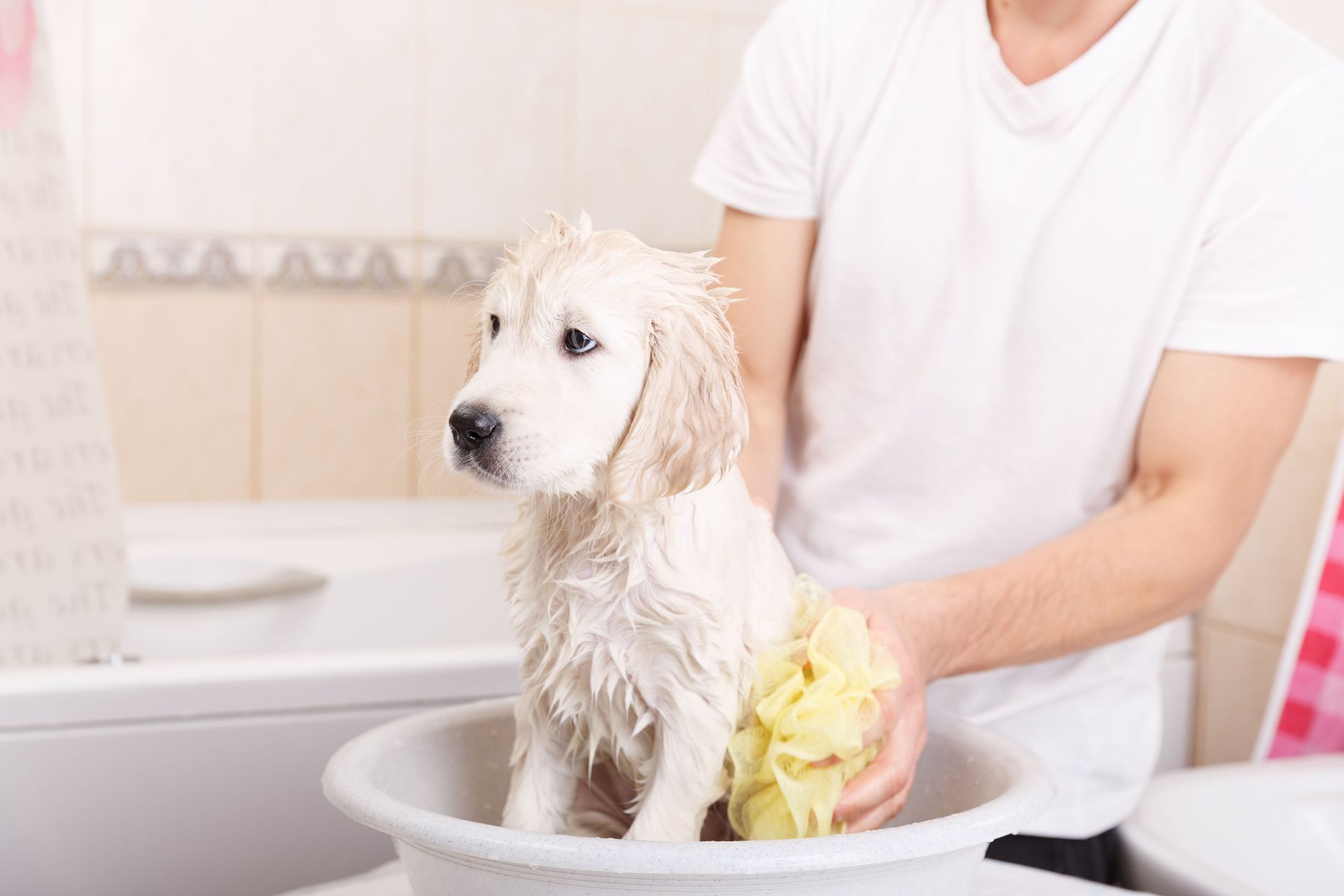
Bathing is also an important part of maintaining medium-length coats. In many cases, a bath every four to six weeks helps keep the coat clean while preventing oil buildup and odors. After bathing, thorough drying is essential to avoid damp spots that can lead to skin irritation. A proper drying routine also helps preserve the natural shape and movement of the coat.
Routine grooming sessions also provide an opportunity to check for external parasites or skin issues. Fleas, ticks, and small irritations can hide within thicker fur, making regular inspections especially valuable. Combining brushing, bathing, and regular health checks helps keep medium-coated dogs looking great while supporting their overall well-being.
Prevent Matting in Long-Haired Breeds
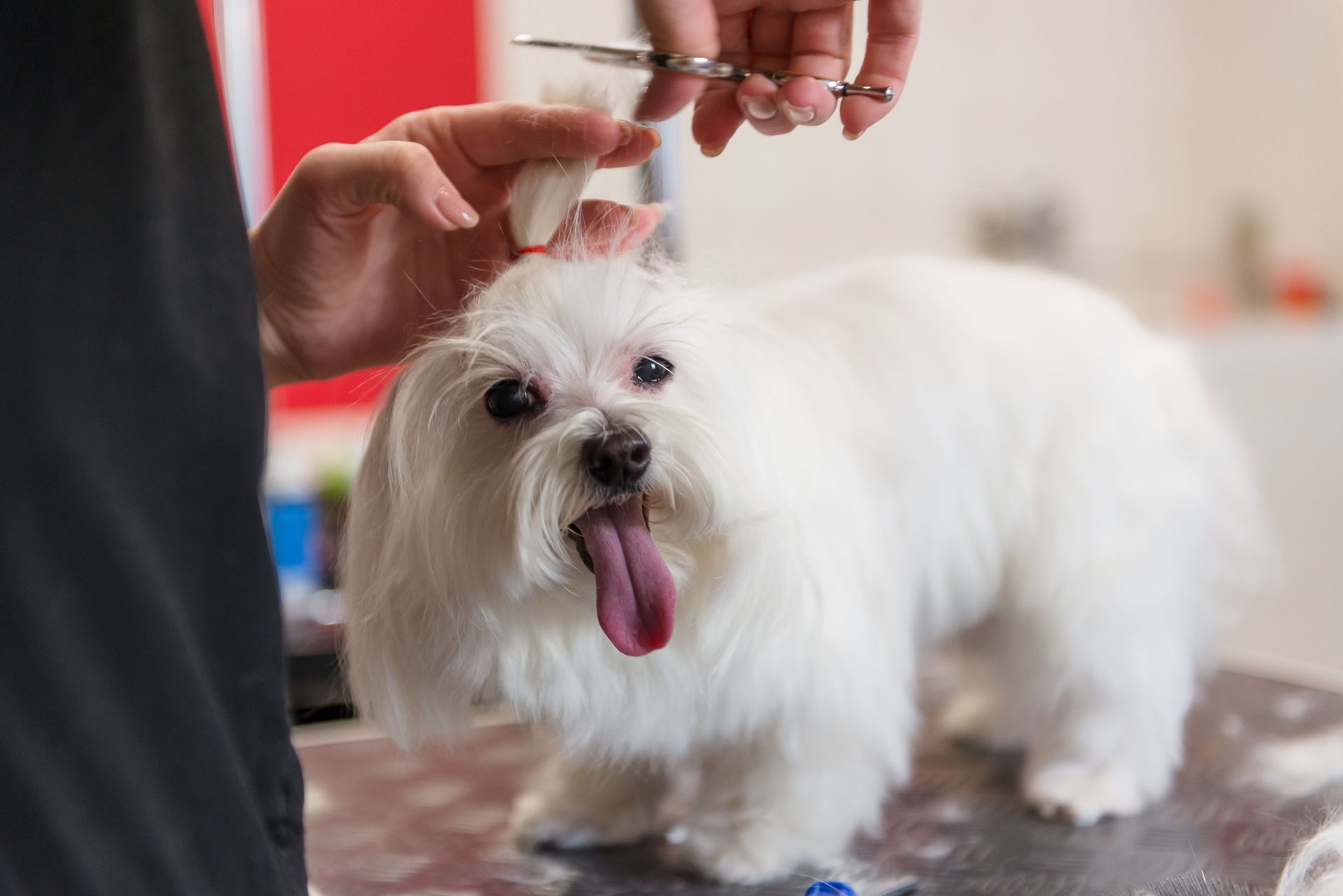
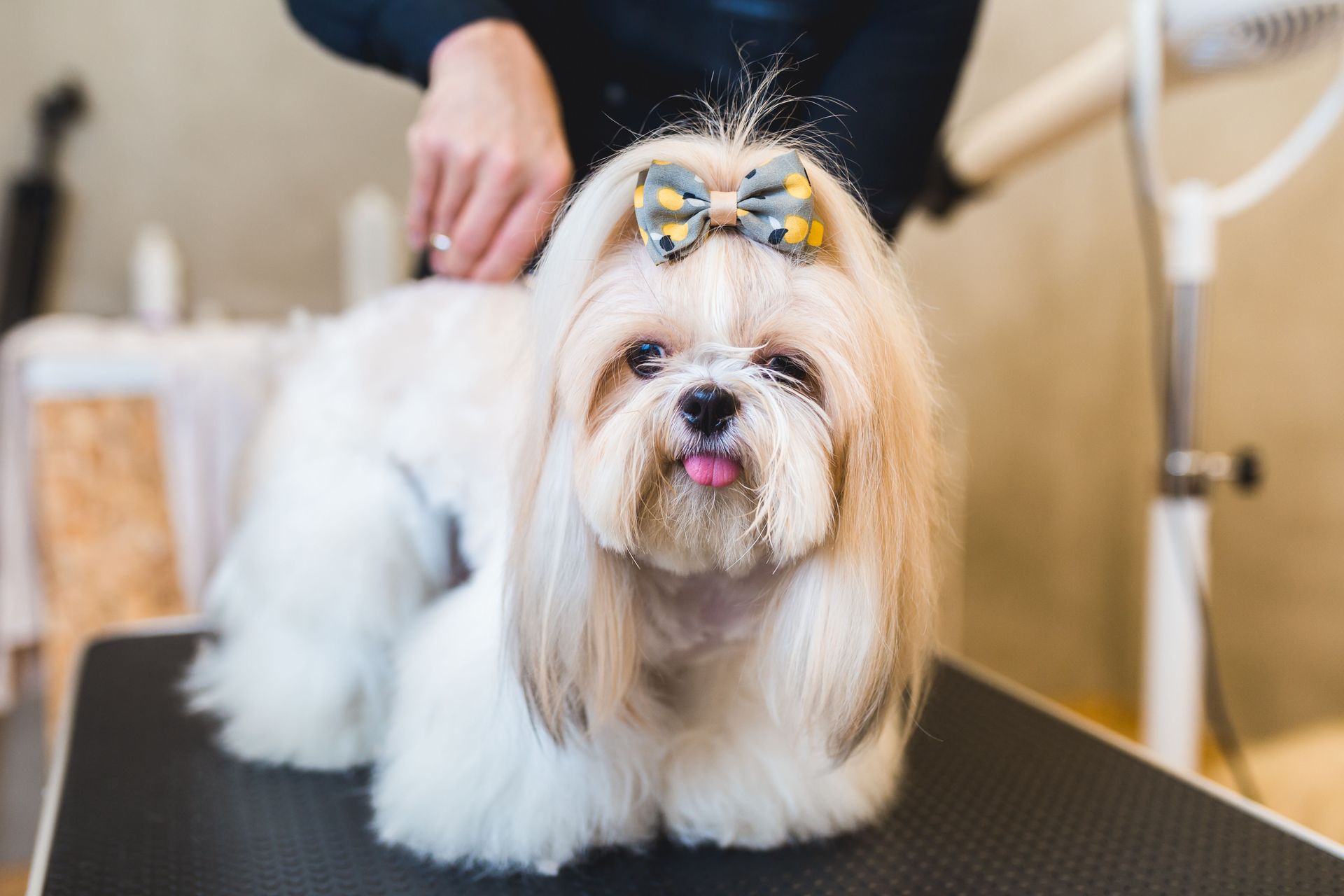
Long-coated dogs are among the most grooming-intensive breeds because their fur tangles easily and collects debris. Breeds such as Shih Tzus, Afghan Hounds, and Maltese have flowing coats that require daily attention to remain manageable. Without regular brushing, their coats can develop mats that pull on the skin and cause discomfort. Many pet owners rely on professional dog groomers to maintain these coats properly and prevent severe matting.
According to Dogster, most dogs with long fur may need to see the groomer every four to six weeks. However, short-haired breeds may only need to visit once every eight to 12 weeks, or even less. These frequent appointments allow professionals to trim, detangle, and maintain coat health while preventing the buildup of dirt and oils. Maintaining this schedule helps ensure the coat remains soft, manageable, and free of painful knots.
Daily brushing at home is also essential for long-coated breeds. Using both combs and brushes helps work through the layers of fur and prevents tangles from forming. Regular bathing with moisturizing shampoos designed for long coats keeps the hair clean while protecting the skin beneath. When owners stay consistent with these routines, long-haired dogs remain comfortable and healthy.
Manage Shedding in Double-Coated Breeds
Double-coated breeds present a unique grooming challenge due to their two-layer coat structure. Dogs such as Huskies, Golden Retrievers, and German Shepherds have a dense undercoat beneath a protective topcoat. The undercoat provides insulation, while the outer layer shields the dog from weather and debris. Because of this structure, dog groomers often focus on removing loose undercoat hair rather than cutting the topcoat.
Seasonal shedding is a major concern for these breeds, especially during spring and fall. During these periods, the undercoat sheds heavily and requires frequent brushing to control loose fur. Tools such as undercoat rakes or de-shedding brushes can significantly reduce the amount of hair left around the home.
Bathing double-coated breeds periodically helps loosen trapped hair and oils. However, the coat must be dried thoroughly afterward to prevent moisture from becoming trapped in the dense underlayer. Proper grooming not only improves the dog's comfort but also helps maintain the coat's natural protective function.
Care for Curly and Wavy Coats Properly
Curly and wavy coats require specialized grooming techniques because their texture naturally traps loose hair. Breeds such as Poodles, Portuguese Water Dogs, and Labradoodles often experience matting if grooming is inconsistent. Curly coats tend to wrap around themselves, making tangles difficult to remove once they form.
Between appointments, regular brushing remains essential for keeping curls manageable. Detangling combs and slicker brushes helps separate curls while removing trapped debris or loose hair. Conditioning sprays designed for curly coats can also improve moisture balance and prevent dryness. Bathing curly-coated dogs every one to two months typically helps maintain cleanliness without drying out the skin. Using hydrating shampoos and conditioners designed for textured coats helps preserve the curl pattern while preventing brittleness.
Personalize Your Dog's Grooming Routine
No grooming routine works for every dog because each pet has unique needs. Breed, activity level, health conditions, and climate can all influence how frequently grooming should occur. A highly active dog that plays outside regularly may need more frequent brushing or bathing than a dog that stays most of the time indoors. Experienced dog groomers often help owners determine a grooming schedule that aligns with their dog's lifestyle.
Consulting with grooming professionals or veterinarians can also provide valuable guidance. Professionals can recommend appropriate tools, coat care products, and grooming intervals based on a dog's specific coat type. They may also detect skin irritations, parasites, or other concerns during grooming sessions. This professional insight helps ensure that grooming routines remain effective as a dog's needs change over time.
As dogs age, their grooming needs may also evolve. Older dogs sometimes develop changes in coat texture or skin sensitivity that require gentler products and more careful handling. Adjusting grooming routines to reflect these changes helps maintain comfort and health.
A consistent grooming routine supports both a dog's health and their overall comfort. Whether a dog has a short, curly, long, or double coat, understanding the maintenance required for each type helps prevent problems such as matting, skin irritation, and excessive shedding. Professional dog groomers can make this process easier while ensuring pets receive thorough and safe care.
For pet owners in Briarcliff Manor, NY, and the surrounding areas, working with experienced professionals can make grooming far more convenient and stress-free. Pooch Parlor Mobile Grooming offers cage-free services backed by 14 years of experience as a family-owned, women-owned, and locally owned business. Our team provides personalized care designed to keep every dog comfortable while maintaining a healthy, beautiful coat. Contact Pooch Parlor Mobile Grooming today to schedule an appointment and give your dog the professional grooming care they deserve.